14-Day Pro Plan Trial + First Month at ₹499/-

Build a Real-Time Logistics Control Tower on WhatsApp
Coordinate dispatch, drivers, and customers through one conversation layer that reduces delays, escalations, and SLA misses.
42%
faster dispatch-response coordination
31%
fewer where-is-my-shipment tickets
99%
delivery milestone notification success

Operational Gaps
Logistics teams lose margin when communication is reactive
Status updates happen too late
Customers and partners are informed after delays occur, not before. This creates escalations and repeated support calls.
Exceptions are tracked across scattered channels
Failed delivery attempts and reroutes are handled over calls, chats, and spreadsheets, causing missed handoffs.
Driver and dispatcher context is fragmented
Critical route context is lost during shift changes, resulting in slower resolutions and SLA misses.
Use Cases
From dispatch desk to doorstep, every update in one flow

Automated Dispatch and Route Broadcasts
Send route assignments and shift updates instantly with structured templates and acknowledgment tracking.
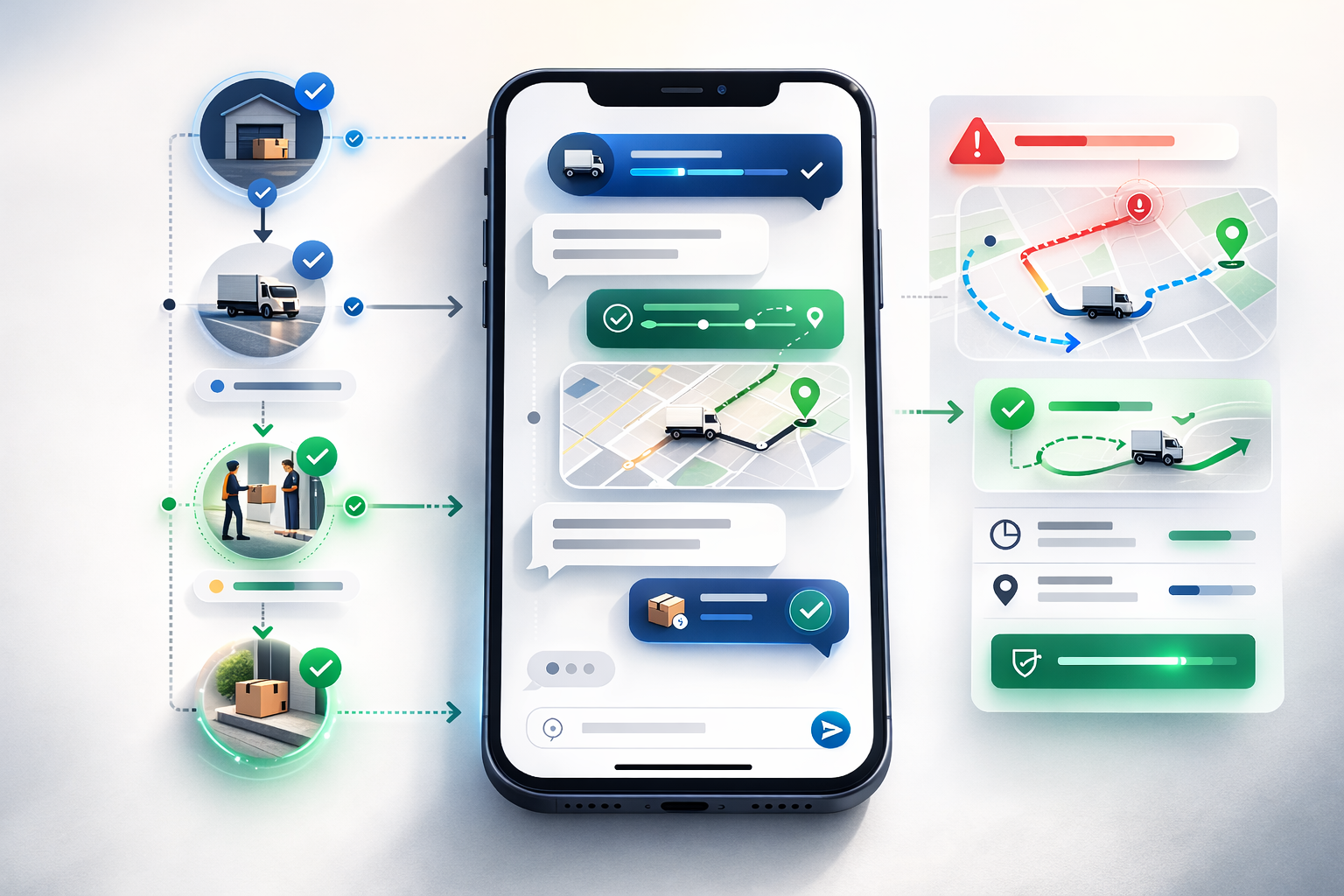
Live ETA and Delay Alerts
Proactively notify customers and hubs on shipment milestones, delays, and revised ETAs.
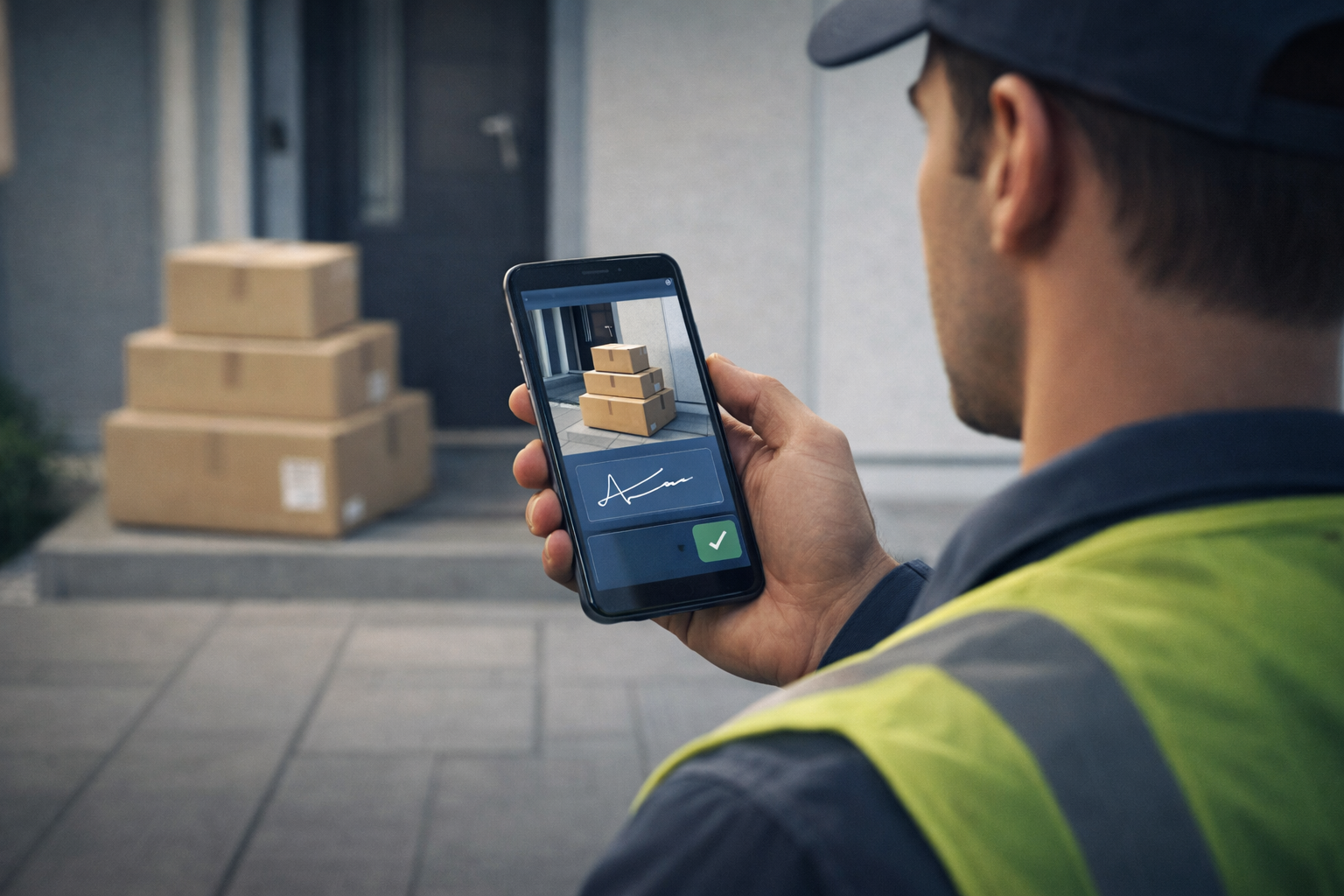
Proof-of-Delivery Journeys
Capture delivery confirmations, signatures, and issue photos in a chat-native workflow.
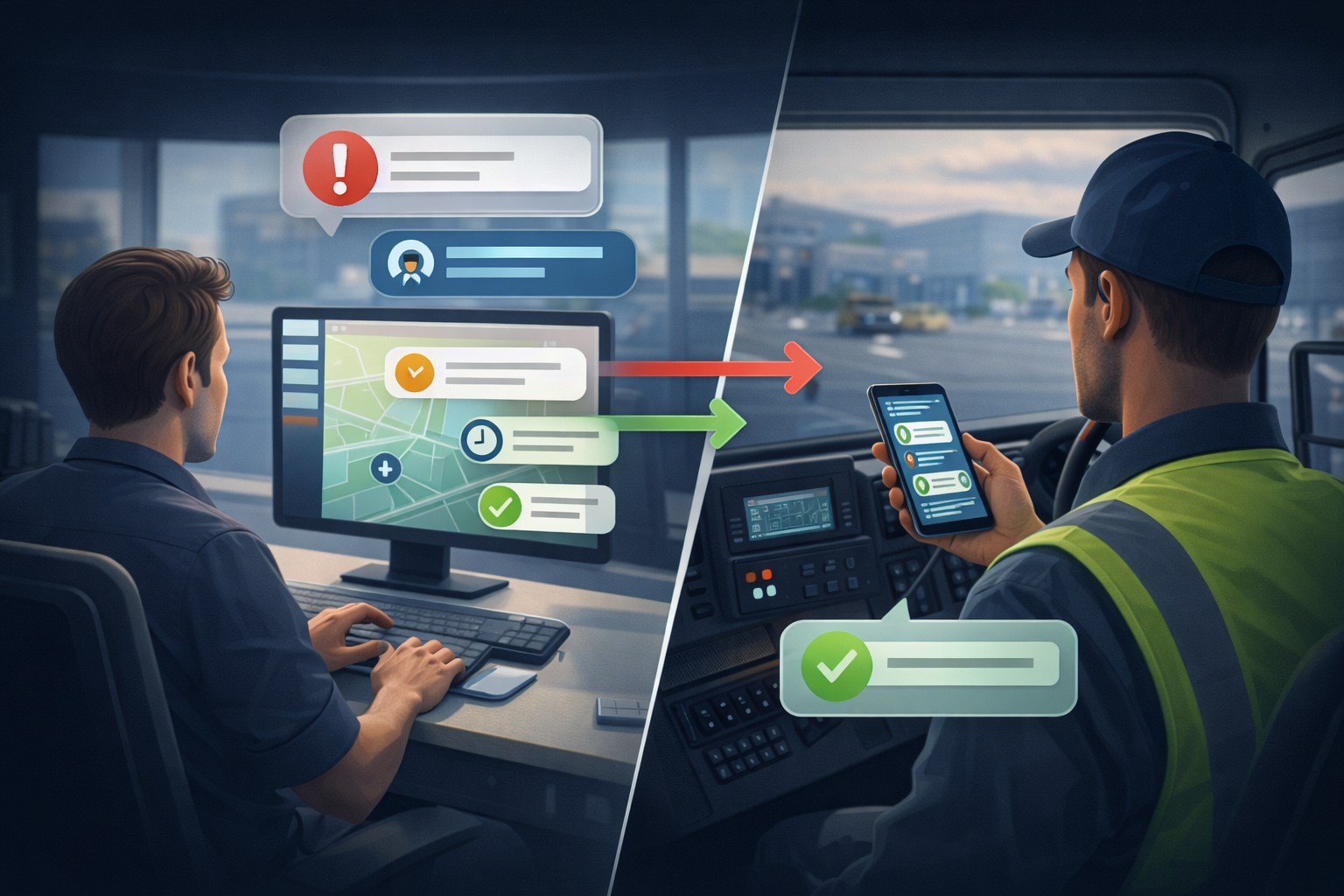
Two-Way Driver Communication
Give dispatch teams a single thread for driver updates, escalation, and resolution notes.
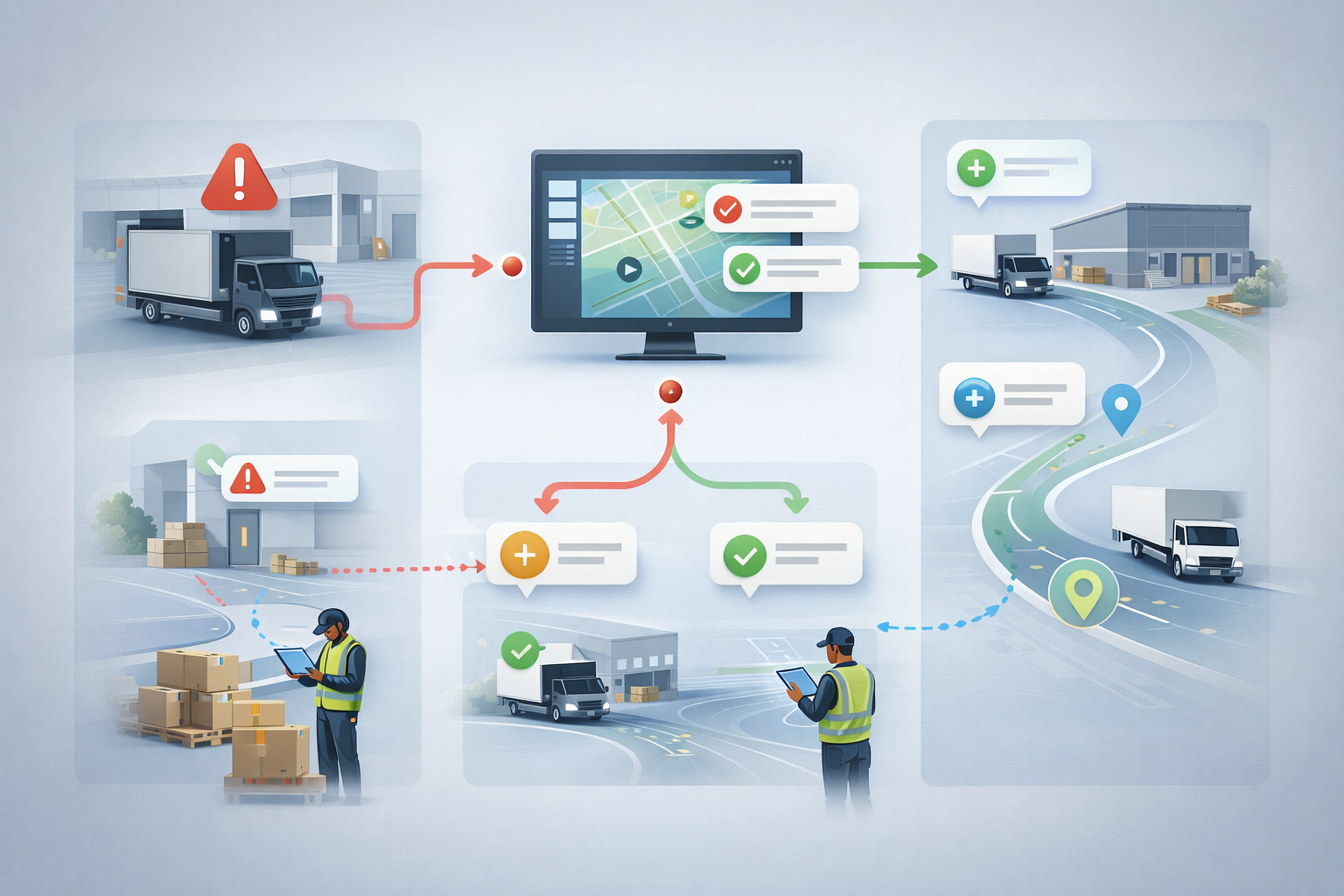
Exception and Reroute Handling
Automatically trigger fallback workflows for unavailable recipients, missed time windows, and route changes.
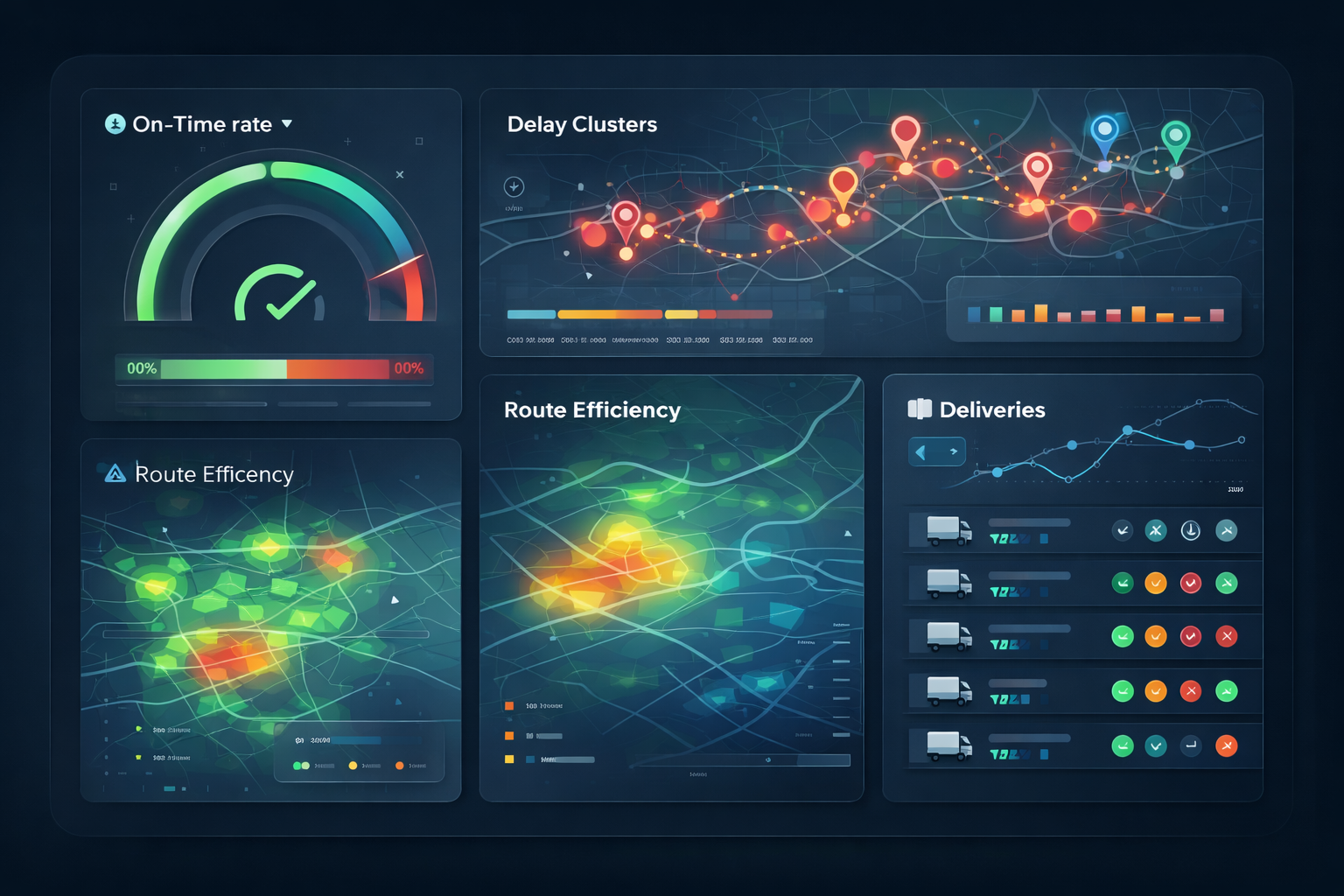
Fleet and SLA Performance Visibility
Track route efficiency, delay patterns, and response KPIs from one operational dashboard.

How It Works
A closed-loop logistics communication system
Dispatch triggers journey
Route assignment, pickup details, and ETA notifications are sent instantly to all stakeholders.
Live updates keep everyone aligned
Drivers, dispatchers, and customers stay in sync with milestone updates and issue escalation flows.
Delivery closes with traceable proof
Confirmation, exception notes, and satisfaction events are captured for audit and performance analytics.
Platform Features
Built for fast-moving logistics operations
Unified Ops Inbox
Unify customer, driver, and partner conversations in one place with assignment and ownership controls.
AI Ops Assistant
Automate first-response triage, classify issue type, and route to the right queue in seconds.
Milestone Automation
Trigger shipment updates at dispatch, in-transit, out-for-delivery, and delivered states automatically.
Template Governance
Maintain quality and compliance with approved templates, escalation paths, and audit-friendly logs.
Operations Analytics
Measure first response time, delay incidence, reroute counts, and issue closure rates by region.
No-Code Workflow Builder
Launch new logistics journeys quickly without engineering bottlenecks.
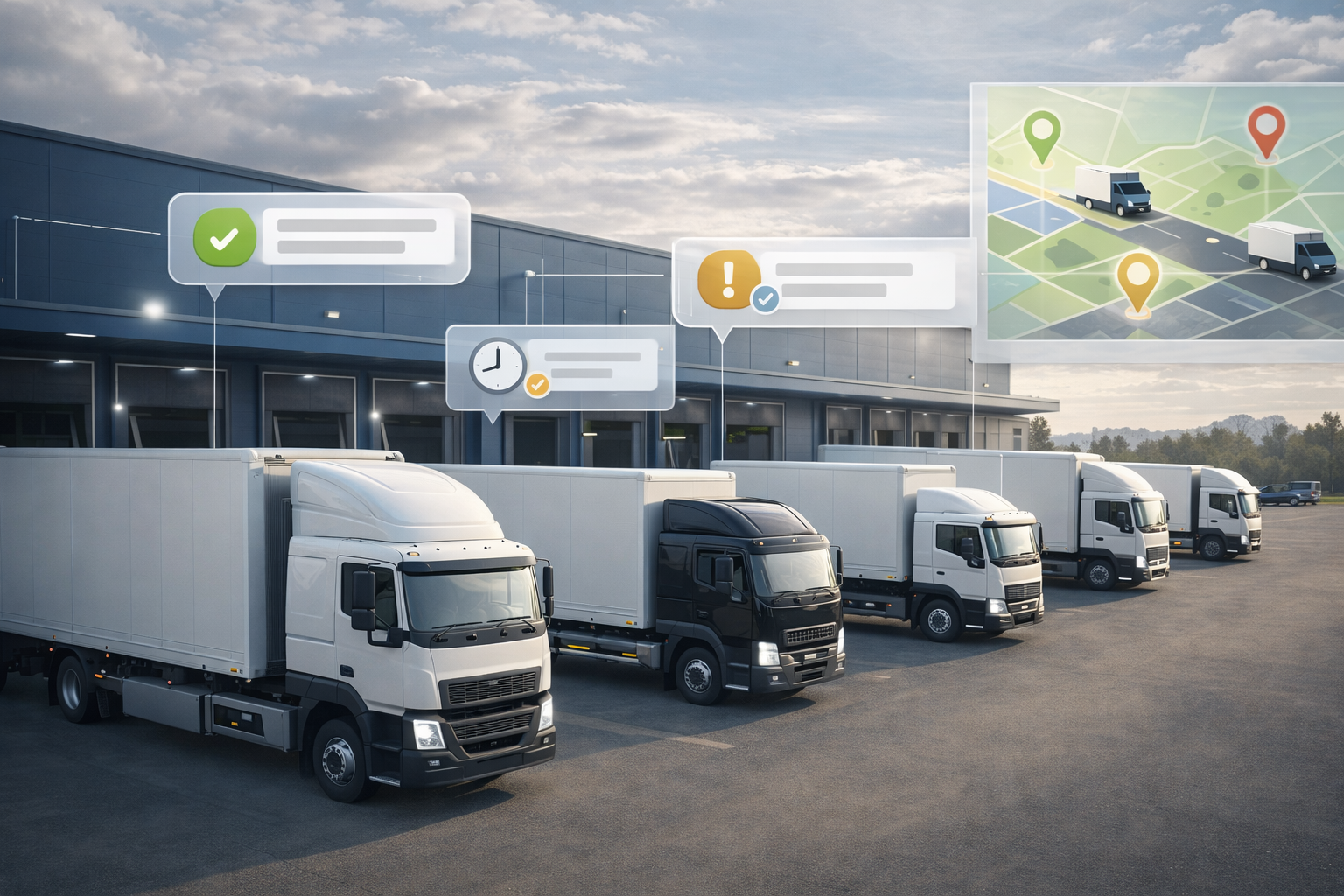
Regional delivery network reduced delay escalations with WhatsApp automation
-38%
escalation calls
+26%
on-time dispatch adherence
+19%
CSAT improvement
Explore success stories"We replaced fragmented update calls with predictable, automated shipment communication. Our dispatch and support teams now operate with one source of truth."
- Head of Operations, Multicity Logistics Network
FAQ
Questions logistics teams ask before rollout
Can this support last-mile as well as long-haul operations?
Yes. You can model separate flows for long-haul, hub-to-hub, and last-mile delivery with different triggers and escalation rules.
How does this reduce support load for tracking queries?
Automated milestone and ETA updates reduce inbound where-is-my-order traffic by proactively sharing status at each stage.
Can dispatchers and drivers both use the same system?
Yes. Dispatch, fleet managers, and support teams work from one shared context while each team uses role-specific workflows.
How fast can we launch for one region before scaling globally?
Most teams start with one corridor or city in days, validate outcomes, then replicate flows across regions.
Get Started
Ship more on time with fewer escalations
Deploy a communication stack designed for dispatch accuracy, proactive ETA updates, and faster exception resolution.